
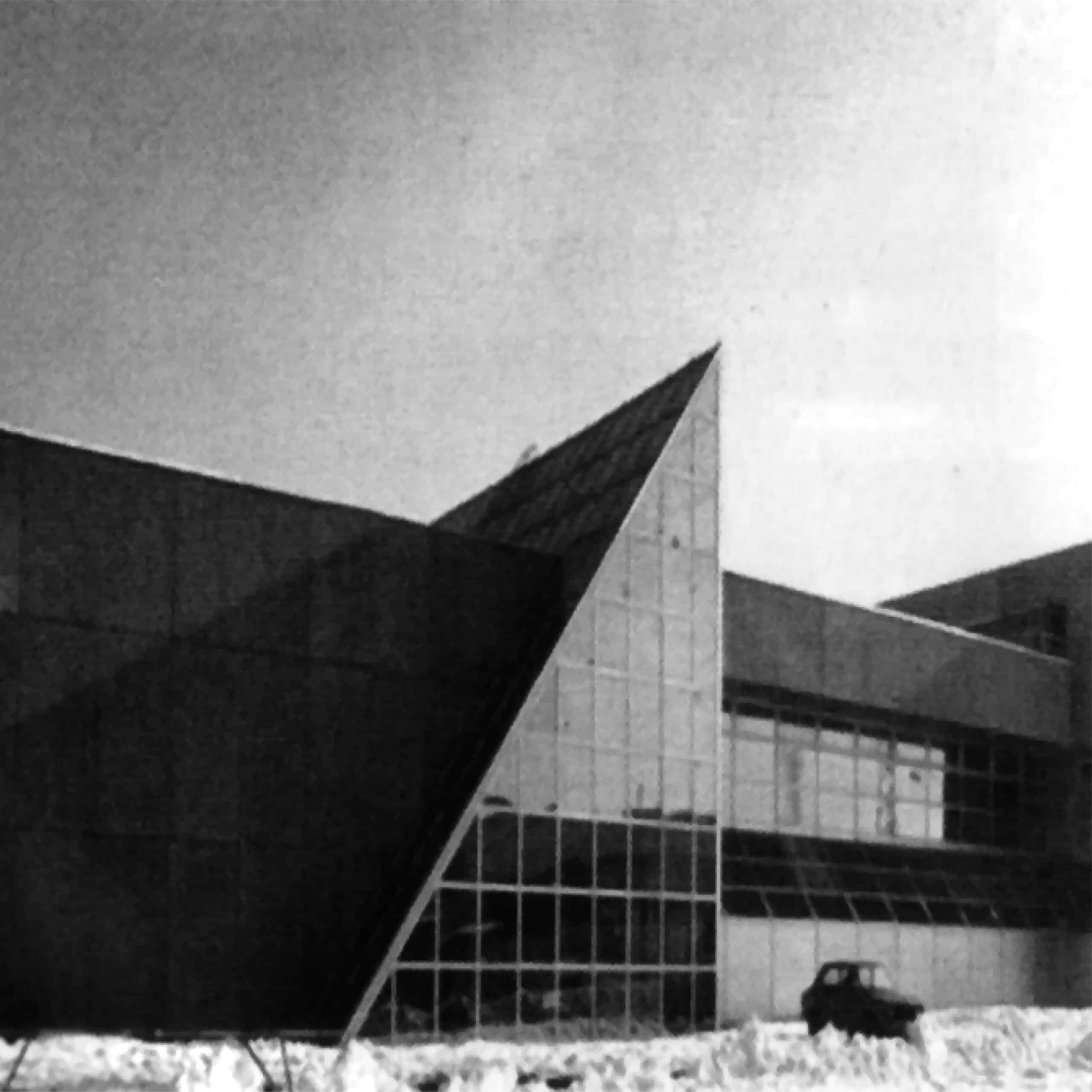

In the years following the Second World War, Sarajevo began shaping a new identity—one that moved beyond rigid socialist realism and embraced a unique blend of modernism, international influence, and deep respect for tradition. This transformation gave rise to the Sarajevo School of Architecture, also known as the Sarajevo Architectural Circle, placing the city among the most important architectural movements in Yugoslavia and beyond.
The Rise of Modern Architecture in Sarajevo
The foundations of modern architecture in Sarajevo were laid by the first generation of architects as early as the 1930s, who introduced avant-garde ideas and progressive design thinking. This vision was further developed with the establishment of the Technical Faculty in 1949, where a new generation created a distinctive balance between global modernism and local heritage.
Art historian Snješka Knežević described this approach as “a technical culture without complexes,” one that respected traditional Sarajevo while avoiding imitation or kitsch. Similarly, architect Ivan Štraus emphasized that the Sarajevo Architectural Circle was defined not by uniformity, but by freedom of expression, diversity, and authenticity.
Sarajevo’s Architectural Golden Age
By the late 1970s, Sarajevo had reached a peak in architectural excellence. In a remarkable achievement, three federal awards for the best architectural works in Yugoslavia were awarded to Sarajevo architects.
The works of leading figures such as Ivan Štraus, Juraj Neidhardt, and their contemporaries gained international recognition—from iconic projects like Skenderija to major buildings across Europe and Africa.
This period, spanning from the construction of Skenderija in 1969 to the infrastructure developed for the 1984 Winter Olympics, marked Sarajevo’s emergence as a global architectural hub.
A City as a Laboratory of Ideas
During these decades, Sarajevo became more than a city—it became an open laboratory of architectural innovation. Each new building reflected energy, ambition, and a forward-looking vision that positioned Sarajevo alongside major European centers of design and urban development.
Discover Sarajevo Architecture at Planet Sarajevo
Today, this extraordinary story lives on at Planet Sarajevo, one of the top museums in Sarajevo and a must-visit cultural attraction.
Through an interactive architectural table, visitors can explore a digital map of the city and discover Sarajevo’s most important buildings with a single touch. This immersive experience allows architecture enthusiasts, researchers, and travelers to understand how Sarajevo shaped its identity through design, innovation, and cultural dialogue.
Experience Sarajevo Through Architecture
If you are searching for things to do in Sarajevo, exploring its architectural heritage is essential. From modernist landmarks to Olympic-era projects, Sarajevo offers a unique perspective on how a city can grow through creativity and vision.
At Planet Sarajevo, architecture is not just something you see—it is something you experience.
Planet Sarajevo is realized with the support of BH Telecom, Sarajevska Pivara, NLB Bank, Kömmerling, as well as the Federal Ministry of Tourism and Environment and the City of Sarajevo.